Screen-Free Family Game Night: How to Start a Weekly Tradition Kids Love
How to start a weekly screen-free family game night that kids look forward to: 7 simple steps, game ideas by age and a ready-made rotation.
By The Castellan Team · · 4 min read
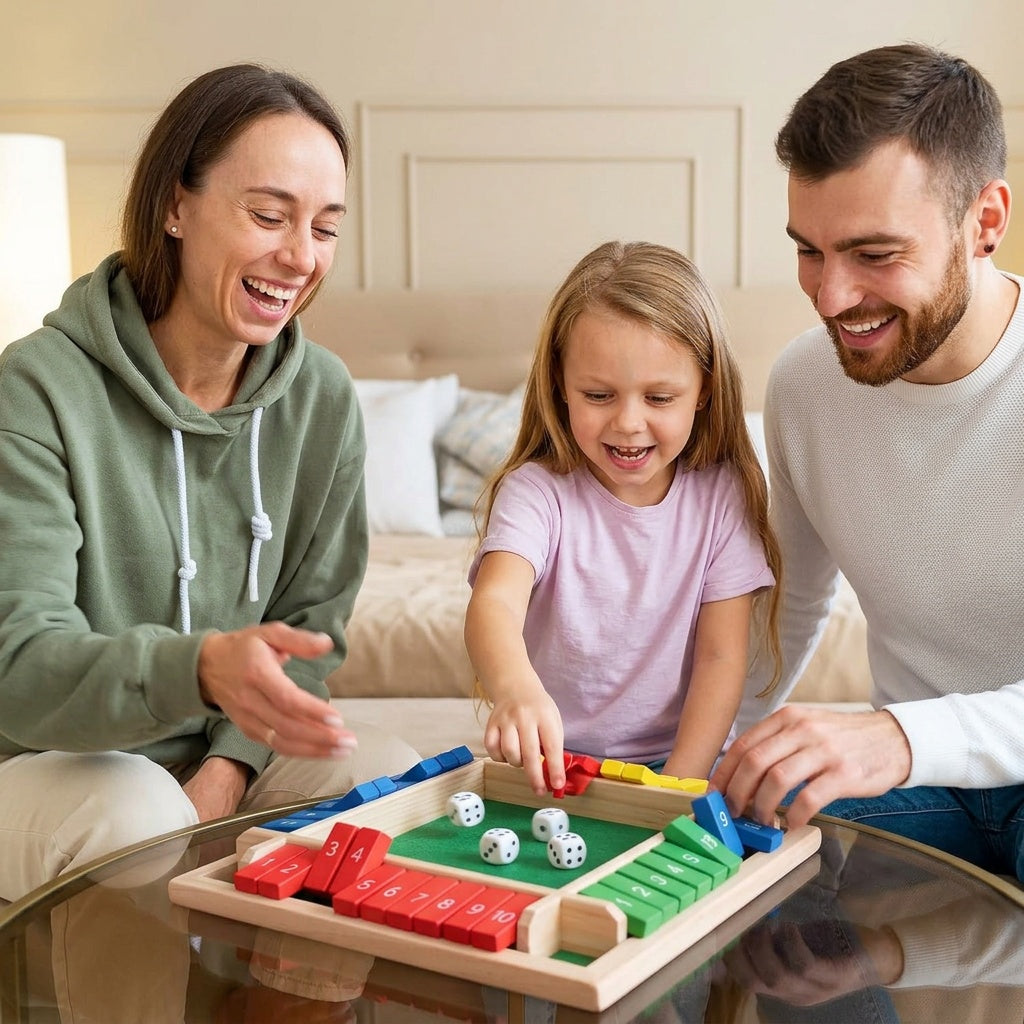
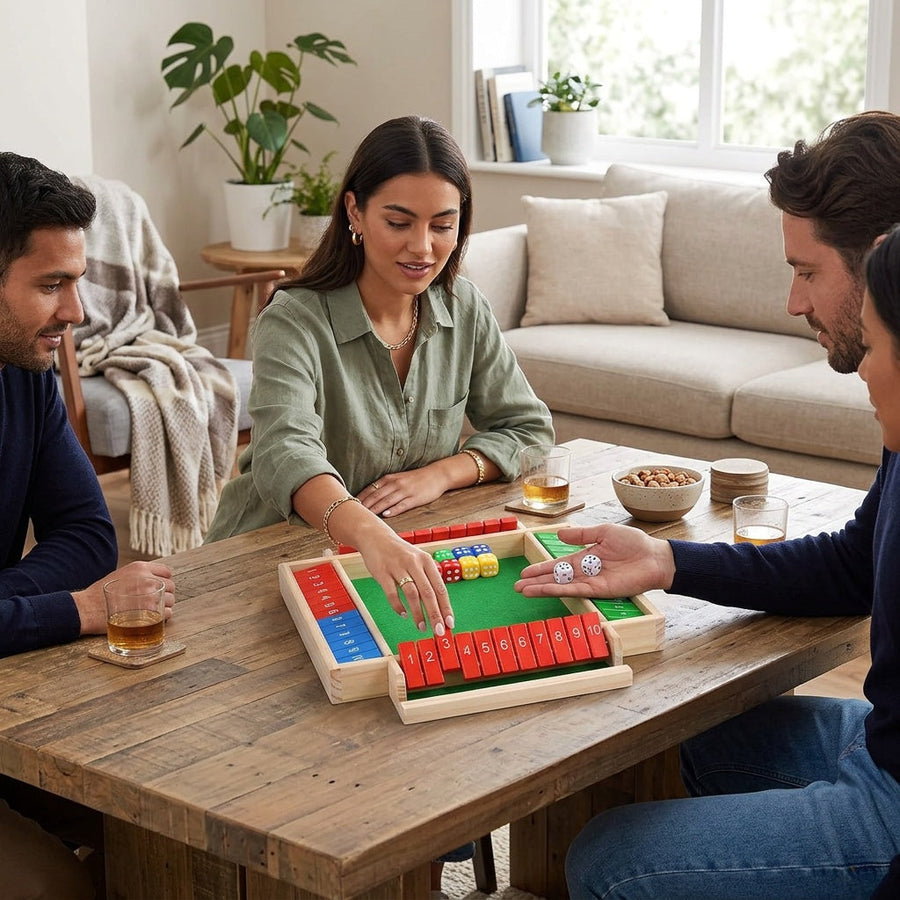
A screen-free family game night is one evening a week when the phones go in a basket, the TV stays off, and everyone sits around the same table to play. It's simple, it's cheap, and it's one of the easiest family traditions to keep, as long as you set it up right. Here's exactly how to start one, keep it going, and make kids the ones asking "is it game night yet?"
Why screen-free game night is worth it
In its 2018 clinical report The Power of Play, the American Academy of Pediatrics calls play "brain building." It says play supports healthy development and executive function, helps buffer children against stress and strengthens the bond between parent and child. It also notes that electronic media takes away time for real play (HealthyChildren.org, AAP). Its advice to parents is refreshingly simple: "The next time your child wants to play with you, say yes."
N.C. Cooperative Extension makes a similar case, recommending family game nights as "an excellent opportunity for bonding and shared laughter" and suggesting screen-free zones like the dinner table (N.C. Cooperative Extension).
And there's a learning bonus. Number board games have been shown to improve young children's number skills (Siegler & Ramani, 2008), while games in general practice turn-taking, patience, planning and handling winning and losing.
How to start a family game night in 7 steps
1. Pick one night and protect it
Choose a night with the fewest clubs and practices, often Friday or Sunday. Put it on the family calendar like any other appointment. Consistency matters more than length: 45 minutes every week beats three hours once a month.
2. Make the screen rule clear (and include adults)
Phones, tablets and the TV go off for the whole game. A "phone basket" by the door works wonders, and it only works if parents' phones go in too. Kids notice.
3. Start with short, easy games
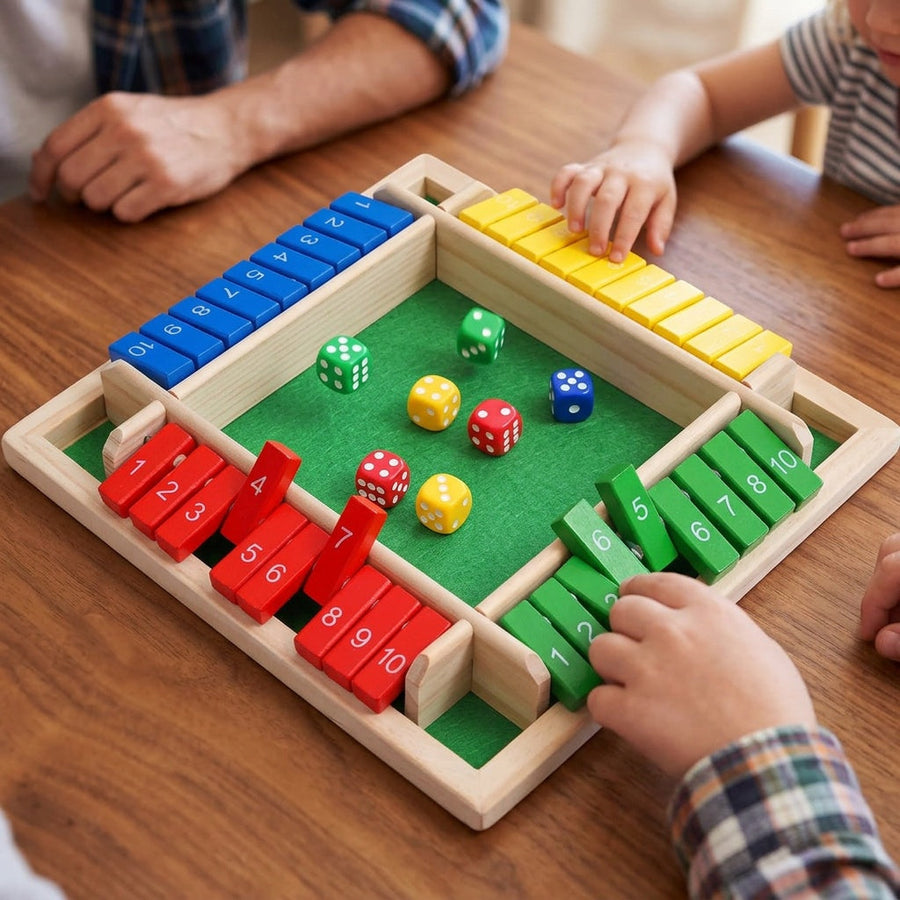
Your first few game nights should feel like a win for everyone. Choose games that take under 20 minutes and can be taught in five. Shut the Box, Uno, Spot It! and bingo-style games are perfect starters. Our list of the 15 best family board games sorts the best options by age.
4. Let a different person choose each week
Rotate the "game captain." The captain picks the game, sets up and gets the first turn. Even a 4-year-old captain who picks bingo every week is learning that their choice matters.
5. Add snacks and a ritual
Popcorn, a special drink, a playlist, a "game night tablecloth": tiny rituals make the evening feel like an event. Keep snacks non-greasy so the cards survive.
6. Play for fun, then for the win
For mixed ages, choose games with some luck so younger kids can win fairly. Cooperative games (where everyone wins or loses together) are perfect if losing is a big feeling in your house right now. As kids grow, add games with more strategy.
7. Stop while everyone still wants to play
End on a high, not when someone is in tears. "One more round" next week is a better hook than a meltdown tonight.
What to play: a simple game night rotation
A small rotation of four games keeps things fresh without overwhelming anyone. Here's one that works for ages 3 to grandparents:
| Week | Game style | Example | Why it works |
|---|---|---|---|
| 1 | Classic dice game | Shut the Box | One-minute rules, quick rounds, mental math |
| 2 | Bingo / matching | ABC Bingo | The youngest can play (and win) from age 3 |
| 3 | Learning board game | Fraction Food Frenzy | 2–6 players, fractions made visual |
| 4 | Kids' choice | Anything from the shelf | Ownership keeps them excited |
Need help with the classic? Here's how to play Shut the Box, including variations for little ones.
Game night ideas by age
- Toddlers and preschoolers (3–5): Matching, bingo, color and counting games. Keep turns very short and let them roll the dice for everyone. Learn to Read games like ABC Bingo are made for this age.
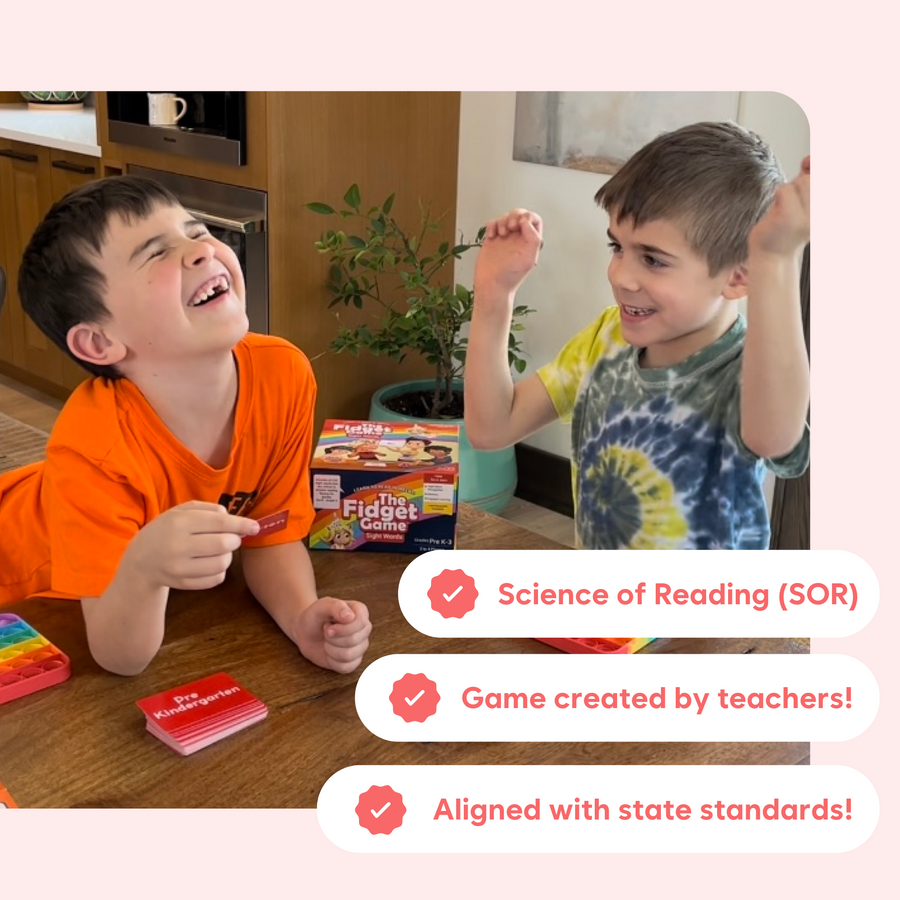
- Early school age (5–8): Simple strategy and number games: Shut the Box, Connect 4, sight word and math games. This is the golden age for learning through play. See our sight word games and fun math games guides.
- Tweens (9–12): Let them teach a new game to the family, or choose games with trading and planning. Giving them the rulebook builds confidence.
- Teens: Party and word games with a bit of chaos. Let them invite a friend, which is the single best way to keep teens coming to game night.
Game night with a sore loser (or a sore winner)
- Name it before you play: "We shake hands and say 'good game' whoever wins."
- Model it. Lose cheerfully and out loud: "Ah, so close! Rematch next week."
- Use cooperative or luck-heavy games for a few weeks to take the pressure off.
- Celebrate good moves, not just wins: "That was a clever choice to flip the 9 first."
Screen-free doesn't have to mean strict
The point isn't to declare war on screens. It's to protect one evening for each other. A video call with Grandma to play a round of bingo together is still family game night. What matters is that everyone is present, playing, and laughing at the same table.
Start your game shelf. Our Family Game Night collection is full of quick, mixed-age games, and our bundles give you a ready-made rotation for less. Every US order ships free.
Family game night FAQ
How often should we have family game night?
Once a week is ideal. It's frequent enough to become a habit and to look forward to, but easy to protect on a busy calendar.
How long should family game night be?
Around 45–60 minutes: usually two or three short games. Stop while everyone still wants to play.
What are good screen-free activities for families besides board games?
Card games, puzzles, building forts, outdoor walks and craft projects are all great. N.C. Cooperative Extension also suggests creating screen-free zones like the dinner table.
What games are best for a family game night with young kids?
Short, luck-based or cooperative games work best: bingo and matching games from age 3, and Shut the Box, Connect 4 and simple number games from about 5.
Ready for game night?
Wooden classics and teacher-designed learning games that get the whole table playing in under 20 minutes.